|
Subscriber First Name ͏ ͏ ͏ ͏ ͏ ͏ ͏ ͏ ͏ ͏ ͏ ͏ ͏ ͏ ͏ ͏ ͏ ͏ ͏ ͏ ͏ ͏ ͏ ͏ ͏ ͏ ͏ ͏ ͏ ͏ ͏ ͏ ͏ ͏ ͏ ͏ ͏ ͏ ͏ ͏ ͏ ͏ ͏ ͏ ͏ ͏ ͏ ͏ ͏ ͏ ͏ ͏ ͏ ͏ ͏ ͏ ͏ ͏ ͏ ͏ ͏ ͏ ͏ ͏ ͏ ͏ ͏ ͏ ͏ ͏ ͏ ͏ ͏ ͏ ͏ ͏ ͏ ͏ ͏ ͏ ͏ ͏ ͏ ͏ ͏ ͏ ͏ ͏ ͏ ͏ ͏ ͏ ͏ ͏ ͏ ͏ ͏ ͏ ͏ ͏ ͏ ͏ ͏ ͏ ͏ ͏ ͏ ͏ ͏ ͏ ͏ ͏ ͏ ͏ ͏ ͏ ͏ ͏ ͏ ͏ ͏ ͏ ͏ ͏ ͏ ͏ ͏ ͏ ͏ ͏ ͏ ͏ ͏ ͏ ͏ ͏ ͏ ͏ ͏ ͏ ͏ ͏ ͏ ͏ ͏ ͏ ͏ ͏ ͏ ͏ ͏ ͏ ͏ ͏ ͏ ͏ ͏ ͏ ͏ ͏ ͏ ͏ ͏ ͏ ͏ ͏ ͏ ͏ ͏ ͏ ͏ ͏ ͏ ͏ ͏ ͏ ͏ ͏ ͏ ͏ ͏ ͏ ͏ ͏ ͏ ͏ ͏ ͏ ͏ ͏ ͏ ͏ ͏ ͏ ͏ ͏ ͏ ͏ ͏ ͏ ͏ ͏ ͏ ͏ ͏ ͏ ͏ ͏ ͏ ͏ ͏ ͏ ͏ ͏ ͏ ͏ ͏ ͏ ͏ ͏ ͏ ͏ ͏ ͏ ͏ ͏ ͏ ͏ ͏ ͏ ͏ ͏ ͏ ͏ ͏ ͏ ͏ ͏ ͏ ͏ ͏ ͏ ͏ ͏ ͏ ͏ ͏ ͏ ͏ ͏ ͏ ͏ ͏ ͏ ͏
¡Hola! Subscriber First Name,March is here! Yes, the year is in turbo mode and waits for no one. This month, we bring you a recap of our recently concluded Sustainable Fashion Forum, a bit of history about March 8th (because it’s key in our industry), and of course, in the “Women I Admire” section, we’re highlighting one of the most super-mega-ultra top women out there. Don’t miss it!
|
|
On March 13th, at the Island Wide offices in Guaynabo, we hosted a full house for the first of what I hope will be many sustainable fashion forums, organized by my dear Ruby. This time, we brought together around 45 professionals from the local industry and had the participation of key speakers from Puerto Rico’s fashion ecosystem, which must inevitably look toward internationalization. A step forward toward a more sustainable and global future! We had the honor of welcoming representatives from ProColombia and Resonance in the Dominican Republic (more on them in the next newsletter both, very cool ladies), as well as Andrés Álvarez, co-founder of Ed-Digital, an e-commerce solutions platform whose largest user base comes from the fashion industry. I had the opportunity to share my greatest passion: integrating circularity into design and manufacturing processes. It was an enriching and engaging evening, filled with valuable conversations. A special thanks to Island Wide, the logistics company that makes fashion transportation and distribution possible across the island. Without a doubt, it was a night to remember!
|
March 8th = International Day of Women Workers
|
|
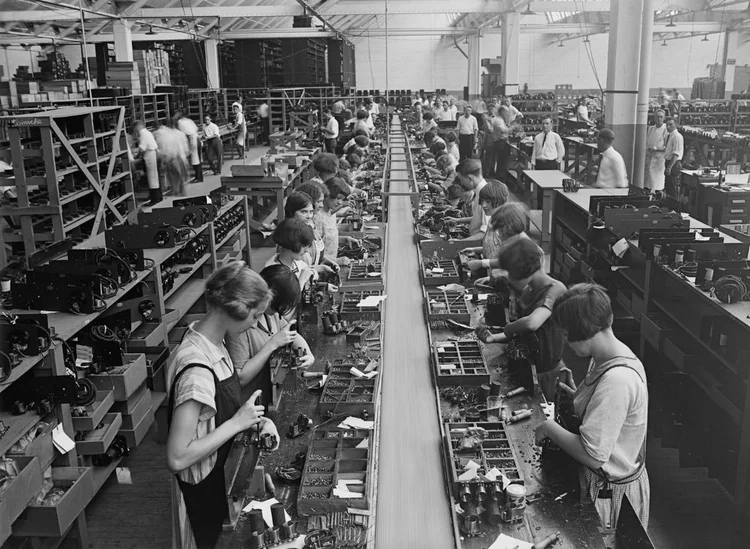
March 8th: A Day of Struggle, Not Celebration Lately, I’ve seen quite a lot of “pink-washed” versions of what March 8th truly means. While this isn’t a feminist history blog, I think it’s worth pausing to reflect on the real origins of this day and what it represents to me. First, let’s be clear: March 8th is not a celebration. It is a day of remembrance and struggle. It’s not an excuse to buy purple merchandise that will end up forgotten in a drawer, but a reminder of the women who fought—and often died—demanding basic rights. The Origin of March 8th in the U.S.: Struggle and Tragedy On March 8, 1857, hundreds of female textile workers in New York took to the streets to protest harsh working conditions, endless shifts, and unfair wages. The response was brutal: police violently repressed the protest, leaving 120 women dead. Decades later, on March 25, 1911, one of the most tragic industrial disasters in history took place: the Triangle Shirtwaist Factory fire in New York. Most of the workers were immigrant women, many of them teenagers, who endured inhumane conditions. The factory doors were locked from the outside to prevent workers from “stealing time” by taking breaks. When the fire broke out, there was no escape. 146 women died, trapped inside or jumping from windows in a desperate attempt to save themselves. This tragedy shook the world and ignited widespread outrage. Protests multiplied, demanding better working conditions, women’s rights, and dignified labor standards. In 1909, the Socialist Party of America had already declared the first National Women’s Day in the U.S., but after the fire, the movement gained even more strength.
|
|
March 8th in Europe: Before the Russian Revolution Meanwhile, in Europe, the women’s rights movement was also gaining momentum. In 1910, during the Second International Socialist Women’s Conference in Copenhagen, German revolutionary Clara Zetkin proposed establishing an International Women’s Day, inspired by the struggles of female workers in the U.S. The first major March 8th commemoration in Europe took place in 1913, before the Russian Revolution of 1917. That year, in cities like St. Petersburg and Berlin, thousands of women protested, demanding better working conditions, the right to vote, and an end to exploitation. In Russia, the 1913 protests were one of the earliest signs of growing discontent among female workers, who were organizing in factories and textile industries. Years later, in 1917, this discontent reached its peak when a massive women’s workers’ strike in Petrograd (now St. Petersburg) on March 8th sparked the beginning of the Russian Revolution. Just four days later, Tsar Nicholas II abdicated, and the provisional government granted women the right to vote, making Russia one of the first countries to do so. Why the Color Purple? The purple color associated with this day is not just a marketing trend. It is believed to be the color of the fabric that women were sewing in the Triangle Shirtwaist factory on the day of the fire. It has also been linked to feminist movements as a symbol of justice and dignity. March 8th: A Day of Struggle, Not Celebration In Latin America, March 8th (8M) commemorations have gained strength over the years, advocating for women’s labor rights and demanding equality. This is not a day for congratulations or flowers. It is a reminder that the fight is not over—because even today, many women face violence, inequality, and labor exploitation. Because the sacrifices of those workers must not be in vain. March 8th is memory, resistance, and struggle.
|
Designers I admire: Nasheli Juliana Ortiz Gonzáles
|

|
I have known Nasheli for many years, ever since we taught together at Universidad del Turabo in Puerto Rico. Coincidentally, she later became the Director of the Fashion Design program at my alma mater, Moore College of Art & Design. There, she invited me to design and teach a Design for Sustainability course, which was conducted online. The experience during those semesters was truly incredible for me. |
|
|
|
What I admire most about her work is her ability to seamlessly fuse activism, art, and fashion without compromising any of these disciplines—something incredibly difficult for a designer to achieve.
|
Recently, we reconnected at the Creative Industries Symposium at Sagrado, in addition to our online interactions, as we both collaborate with Platea through Suset to discuss La Pava. Nasheli returned to Puerto Rico in 2024, after several years in Philadelphia. Her career has led her to stand out on international runways. Here is one of her designs from Paris Fashion Week a few years ago. |
|

|
|
|
My consulting services are designed for individuals and businesses that need support with their operations, from the products they create and sell to logistics, supply chain, and infrastructure. I have over 15 years of experience in the creative industries, including seven years working in a factory, where I learned about manufacturing processes—from traditional analog methods to advanced technological solutions. If you need guidance, let’s schedule a call here.
|
|
|
The three master classes I teach online have been continuously improved. Soon, we will move them to a new platform and offer them in English. |
|
|
PS: You can find the rest of the monthly bulletins here.
|
|
|
|