|
Subscriber Full Name ͏ ͏ ͏ ͏ ͏ ͏ ͏ ͏ ͏ ͏ ͏ ͏ ͏ ͏ ͏ ͏ ͏ ͏ ͏ ͏ ͏ ͏ ͏ ͏ ͏ ͏ ͏ ͏ ͏ ͏ ͏ ͏ ͏ ͏ ͏ ͏ ͏ ͏ ͏ ͏ ͏ ͏ ͏ ͏ ͏ ͏ ͏ ͏ ͏ ͏ ͏ ͏ ͏ ͏ ͏ ͏ ͏ ͏ ͏ ͏ ͏ ͏ ͏ ͏ ͏ ͏ ͏ ͏ ͏ ͏ ͏ ͏ ͏ ͏ ͏ ͏ ͏ ͏ ͏ ͏ ͏ ͏ ͏ ͏ ͏ ͏ ͏ ͏ ͏ ͏ ͏ ͏ ͏ ͏ ͏ ͏ ͏ ͏ ͏ ͏ ͏ ͏ ͏ ͏ ͏ ͏ ͏ ͏ ͏ ͏ ͏ ͏ ͏ ͏ ͏ ͏ ͏ ͏ ͏ ͏ ͏ ͏ ͏ ͏ ͏ ͏ ͏ ͏ ͏ ͏ ͏ ͏ ͏ ͏ ͏ ͏ ͏ ͏ ͏ ͏ ͏ ͏ ͏ ͏ ͏ ͏ ͏ ͏ ͏ ͏ ͏ ͏ ͏ ͏ ͏ ͏ ͏ ͏ ͏ ͏ ͏ ͏ ͏ ͏ ͏ ͏ ͏ ͏ ͏ ͏ ͏ ͏ ͏ ͏ ͏ ͏ ͏ ͏ ͏ ͏ ͏ ͏ ͏ ͏ ͏ ͏ ͏ ͏ ͏ ͏ ͏ ͏ ͏ ͏ ͏ ͏ ͏ ͏ ͏ ͏ ͏ ͏ ͏ ͏ ͏ ͏ ͏ ͏ ͏ ͏ ͏ ͏ ͏ ͏ ͏ ͏ ͏ ͏ ͏ ͏ ͏ ͏ ͏ ͏ ͏ ͏ ͏ ͏ ͏ ͏ ͏ ͏ ͏ ͏ ͏ ͏ ͏ ͏ ͏ ͏ ͏ ͏ ͏ ͏ ͏ ͏ ͏ ͏ ͏ ͏ ͏ ͏ ͏ ͏ ͏
Hello everyone,Work, body, system, and future April and May always bring a particular mix of closure and beginnings. In academia, in industry, and in personal processes, this is a moment when everything materializes: ideas take shape, systems are put to the test, and the work—the real work—becomes visible. This newsletter brings together three moments that, although distinct, are deeply connected: thought, history, and execution.
|
Needle and Power: Thinking Fashion as Structure
|
|
On April 23, at Sagrado, we celebrated International Design Day under the theme Design, Territory, and Commerce: Materials, Bodies, Brands, and Futures, with a series of events and talks that brought together students, faculty, and the general public.
|
|
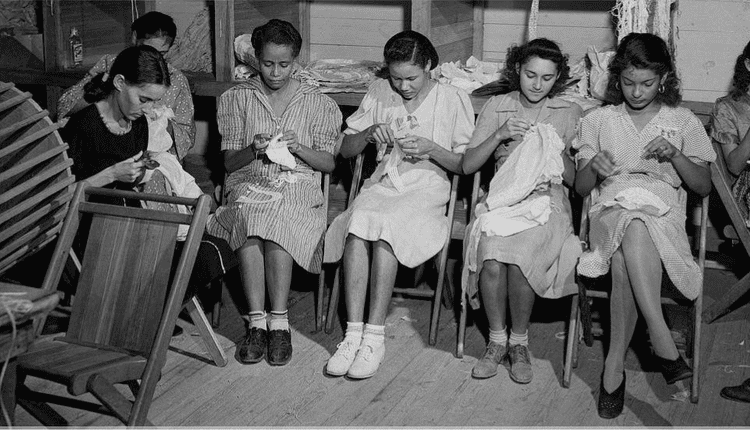
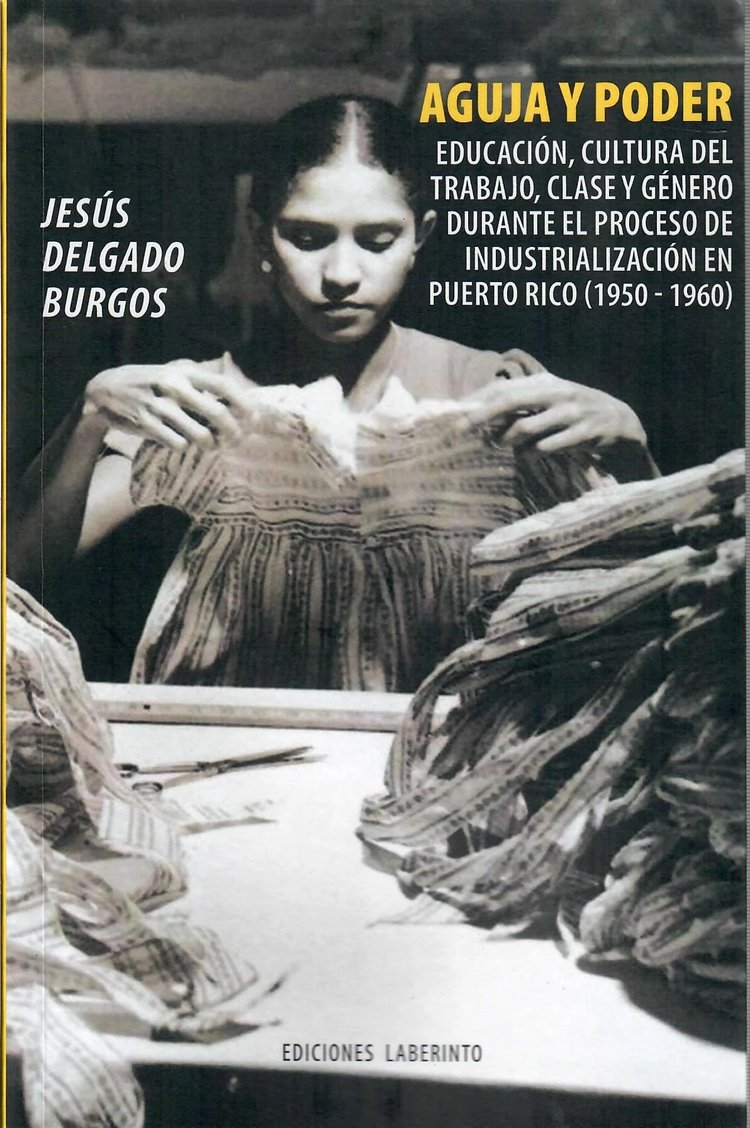
I had the honor of serving as co-presenter and interviewer for Dr. Jesús Delgado Burgos during the presentation of his book: Needle and Power: Education, Work Culture, Class, and Gender during the Period of Industrialization in Puerto Rico, 1950–1960. |
|
|
|
The book is the result of extensive research on the period of industrialization in Puerto Rico between 1950 and 1960, and it examines how relationships between education, labor, class, and gender were constructed within the needle industry. It is, without a doubt, a must-read for anyone interested in understanding how the productive systems that still shape our reality today were formed. The conversation was both deep and necessary. It allowed us to look at the industry from its foundation—not from the surface of fashion, but from the structures that sustain it. To speak of the needle is to speak of labor. To speak of power is to speak of who decides, who produces, who profits, and who remains invisible. These kinds of spaces matter because they name what the industry often avoids: labor relations,
the feminization of textile work,
and the tensions between creativity and exploitation. From our practice, this is not abstract theory.
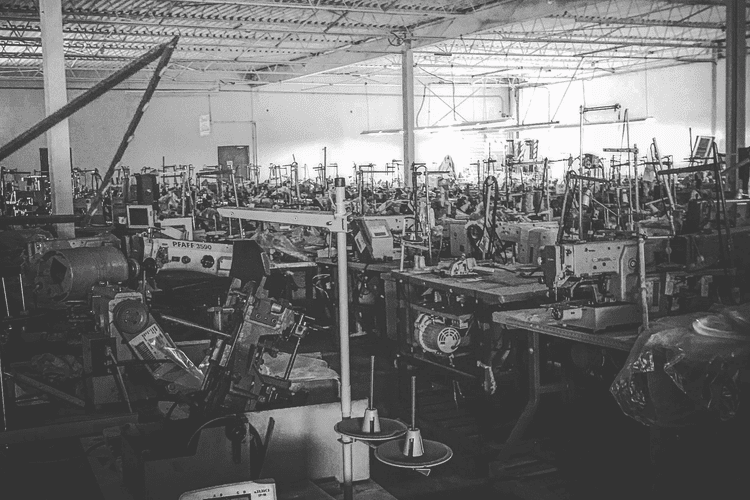
It is something we see every day—in factories, in emerging brands, and in poorly structured production decisions. The question is not whether fashion holds power.
The question is: how are we distributing it?
|
May 1: Work, Industry, Memory
|
|
International Workers’ Day has complex origins that are often oversimplified. The first step is understanding who a worker is. It’s simple: if you, the reader, do not live off investments or a trust fund and must work to sustain your life—whether in an office, a factory, or a workshop—you are a worker. And by definition, part of the working class. Just in case it needed to be said. - Porsi Acasito
The real turning point took place in the United States, specifically in Chicago in 1886 on May 1st, when thousands of workers organized to demand an eight-hour workday. At the time, it was common for the workday to last anywhere between 10 and 16 hours.
|
|
Days later, on May 4, the event that marked history took place: the Haymarket Affair. A demonstration that ended in violence, with deaths, arrests, and the subsequent execution of labor leaders. This event became a global symbol of the struggle for dignified working conditions. However, May 1 did not become an international observance until 1889, when the Second International in Europe adopted the date as a day of commemoration for workers around the world. That is when the day was consolidated as a global movement. Interestingly, the United States—where it all began—does not celebrate Workers’ Day on May 1, but instead in September (Labor Day), in part to distance it from more radical labor movements.
At its core, it is a day that speaks about systems. About structure. About working conditions. And within that system, the textile industry holds a central place.
|
|
To speak about work in this industry is, inevitably, to speak about women.
About who produces.
About who sustains.
And often, about who remains invisible Historically, the needle industry has been one of the main sources of employment for women, frequently under precarious conditions, with low wages and limited protection.
That is why May 1 is not an abstract date for this industry. It is a date that directly concerns us. It is also important to consider it in relation to International Women’s Day. Both dates are connected, but they are not the same: May 1 focuses on work as a system: conditions, rights, and productive structures. March 8 focuses on women: their struggles, their bodies, and their rights within and beyond those systems.
In the textile industry, these two dimensions constantly intersect. Because you cannot speak about work without speaking about who does the work.
And you cannot speak about women without speaking about the conditions in which they work. And it is in that intersection—between system and body—where the true complexity of this industry is understood.
|
|
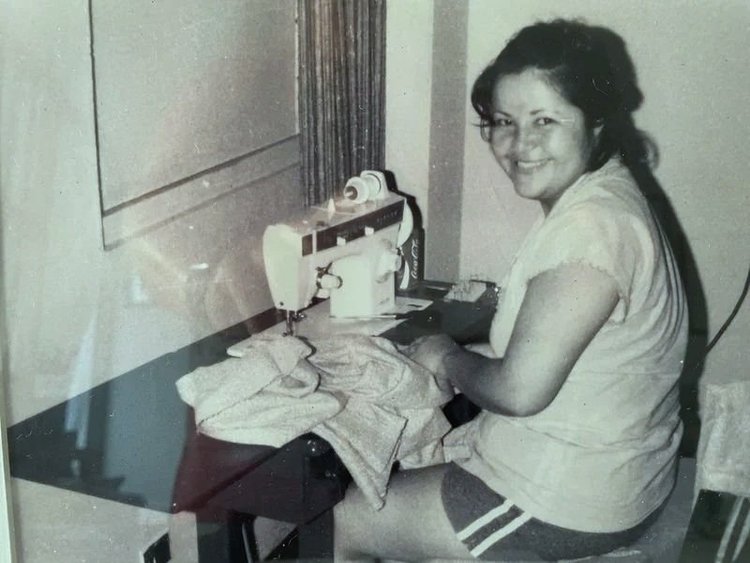
My mother at the University of Puerto Rico, Río Piedras campus: accounting by day, sewing for every occasion. Always making her own clothes. That’s where I come from. |
|
|
May at Sagrado: Execution, Closure, and Exhibition
|
|
May is one of the most important moments of the semester. As a professor at Universidad del Sagrado Corazón, this is the point where everything developed over months is finally presented—not as an idea, but as execution. May 13 — Fashion Show (Taller III)
🕙 6:30 p.m. | 📍 Area in front of the Library The show will feature over 70 looks and the participation of 30+ students. This kind of event makes visible something I always emphasize in class: designing is one thing, executing is another. This is where that difference becomes clear. May 14 — Sagrado Apparel Fair (FIS)
🕙 10:00 a.m. – 5:00 p.m. | 📍 Nuestro Barrio Building, Avenida Ponce de León FIS enters its second edition, and it is a project that emerges precisely from the need to create real spaces for exchange. It is not just an exhibition—it is sales, conversation, and direct validation with the public. A necessary exercise for any student looking to enter the industry.
|
|
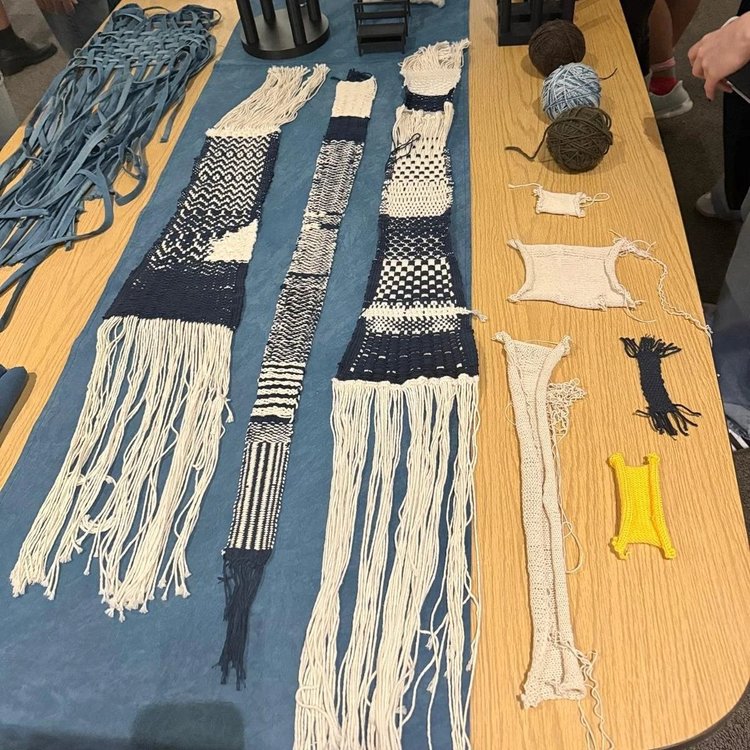
May 14 — Closing of the Artistic Residency by Karina Defelippe and Sally Torres Vega 🕔 From 5:00 p.m. | 📍 Nuestro Barrio Building
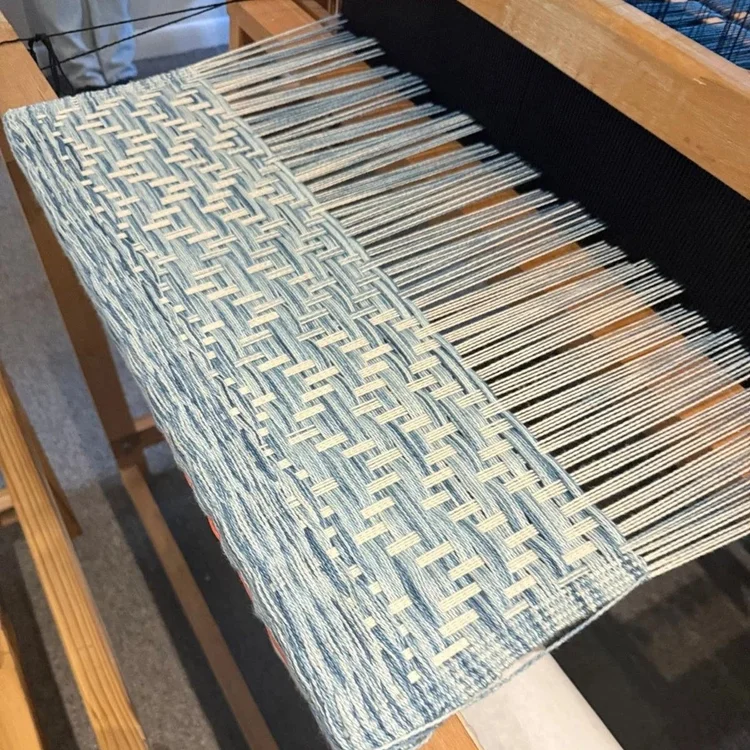
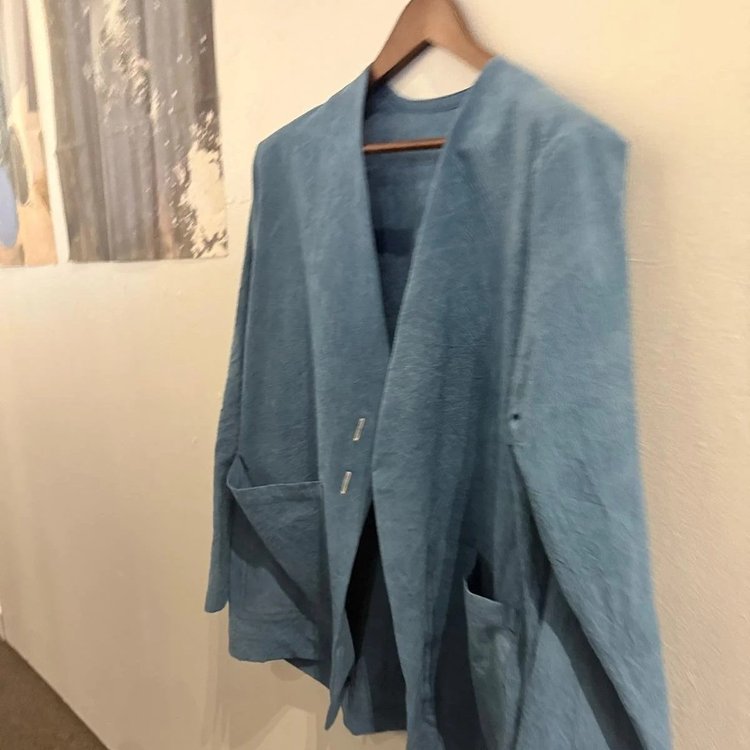
As part of this process, the Community Indigo Vat project, developed during the residency, will be presented. Initiatives like this expand the practice into different rhythms and methodologies, connecting materiality, community, and process., May 14 — Exhibition of Outstanding Student Work in Graphic Design, Industrial Design, Animation, and Fashion 📍 School of Arts, Design, and Creative Industries @ Sagrado A selection of the best work from design courses, offering a comprehensive view of the semester through different approaches. For me, April and May summarize this practice quite well: Thinking. Questioning. Executing. From spaces like Needle and Power, to the classroom, the fair, or the runway, the conversation remains the same: how do we do what we do better, without losing sight of the people who sustain it? If you’re in Puerto Rico, or visiting, I invite you to stop by and experience these activities. It’s worth seeing this work in person.
|
|
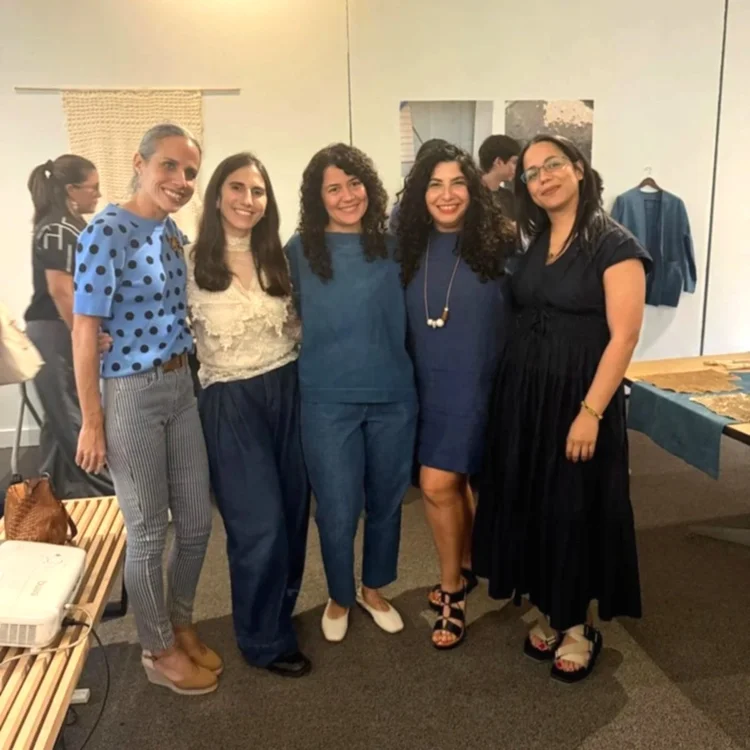
In this photo, almost all of the fashion design professors are gathered (from left to right: Cristina, Karina, Sally, Auralis, and Mailye), celebrating the open house of Sally and Karina’s. residency. |
|
|
Do you have a project you want to develop sustainably? Let’s talk.
|
Our consulting services support individuals and companies in product development, operations, logistics, and supply chain, with a focus on sustainability, circularity, and efficiency. If you need guidance, schedule a call here. |
|

|
|
|
PS: All the newsletters are here.
|
|
|
|