|
Subscriber First Name ͏ ͏ ͏ ͏ ͏ ͏ ͏ ͏ ͏ ͏ ͏ ͏ ͏ ͏ ͏ ͏ ͏ ͏ ͏ ͏ ͏ ͏ ͏ ͏ ͏ ͏ ͏ ͏ ͏ ͏ ͏ ͏ ͏ ͏ ͏ ͏ ͏ ͏ ͏ ͏ ͏ ͏ ͏ ͏ ͏ ͏ ͏ ͏ ͏ ͏ ͏ ͏ ͏ ͏ ͏ ͏ ͏ ͏ ͏ ͏ ͏ ͏ ͏ ͏ ͏ ͏ ͏ ͏ ͏ ͏ ͏ ͏ ͏ ͏ ͏ ͏ ͏ ͏ ͏ ͏ ͏ ͏ ͏ ͏ ͏ ͏ ͏ ͏ ͏ ͏ ͏ ͏ ͏ ͏ ͏ ͏ ͏ ͏ ͏ ͏ ͏ ͏ ͏ ͏ ͏ ͏ ͏ ͏ ͏ ͏ ͏ ͏ ͏ ͏ ͏ ͏ ͏ ͏ ͏ ͏ ͏ ͏ ͏ ͏ ͏ ͏ ͏ ͏ ͏ ͏ ͏ ͏ ͏ ͏ ͏ ͏ ͏ ͏ ͏ ͏ ͏ ͏ ͏ ͏ ͏ ͏ ͏ ͏ ͏ ͏ ͏ ͏ ͏ ͏ ͏ ͏ ͏ ͏ ͏ ͏ ͏ ͏ ͏ ͏ ͏ ͏ ͏ ͏ ͏ ͏ ͏ ͏ ͏ ͏ ͏ ͏ ͏ ͏ ͏ ͏ ͏ ͏ ͏ ͏ ͏ ͏ ͏ ͏ ͏ ͏ ͏ ͏ ͏ ͏ ͏ ͏ ͏ ͏ ͏ ͏ ͏ ͏ ͏ ͏ ͏ ͏ ͏ ͏ ͏ ͏ ͏ ͏ ͏ ͏ ͏ ͏ ͏ ͏ ͏ ͏ ͏ ͏ ͏ ͏ ͏ ͏ ͏ ͏ ͏ ͏ ͏ ͏ ͏ ͏ ͏ ͏ ͏ ͏ ͏ ͏ ͏ ͏ ͏ ͏ ͏ ͏ ͏ ͏ ͏ ͏ ͏ ͏ ͏ ͏ ͏
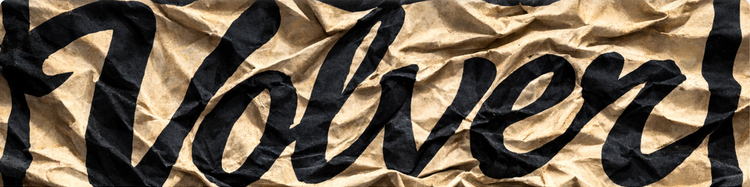
¡Hola Querides!And so we arrive at March, a key month for the global needle and garment industry. A time to pause, observe, and connect the dots between history, the present, and the future. I want to take this space to share how we fared at the recent Creative Industries Symposium, alongside Professor Mailye Matos, and to reflect on some milestones that have already marked this month—such as March 8, a date deeply significant for an industry sustained, in large part, by the work of women. I’ll also give you a preview of some events still to come, including Volver on March 31—a must-attend in the local apparel (fashion) calendar.
|
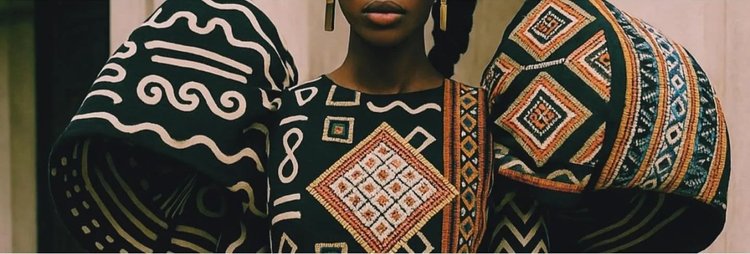
“volver nace de una necesidad profunda de regresar, no solo al territorio, sino a la memoria, a los afectos y a las personas que sostienen nuestros procesos. esta colección es una ofrenda a quienes hacen posible el acto de volver.” — nasheli juliana
I want to invite you (if you are reading me from PR) to a very special event this Tuesday, March 31, at La Quna in Caguas from 6 to 8 pm. My dearest colleague, collaborator in education, and fashion designer, Nasheli, will present a runway show accompanied by a performative activation: Volver. As many already know, Nasheli is a deeply beloved and admired figure—not only for the strength of her artistic vision but also for her commitment to activism. There are countless people who share that admiration, and I join them with full conviction. A few newsletters ago, precisely in March of last year, I wrote about her in the “Women I Admire” section. This presentation feels like a natural extension of that recognition: a beautiful opportunity to experience her work live, in community. To register and attend, you can access this link; and if you want to learn more about her creative process, I invite you to explore her social media here.
|
March 8th in Puerto Rico and the Lolita’s Army
|
|
Women in Puerto Rico have always been fighters—like most women in the world, who are ultimately the ones who support, who mother (in many ways), and who give life. I am not a mother, but I mother. I mother my students, my nephews and nieces, my friends. Being the daughter of a tireless caregiver, the act of caring comes naturally to me; it’s integrated. Women are waging a constant battle for their lives and their rights, every day, everywhere. This past March 8 was no exception. Last year, on this same date, I shared a lengthy reflection on what this day represents for women within the textile industry—if you have not read it yet, I am leaving it here. This year, however, I want to focus my energy on Puerto Rico: the place where I live, where I am building my life, and where I also aspire to rest when I am no longer here.
|
|
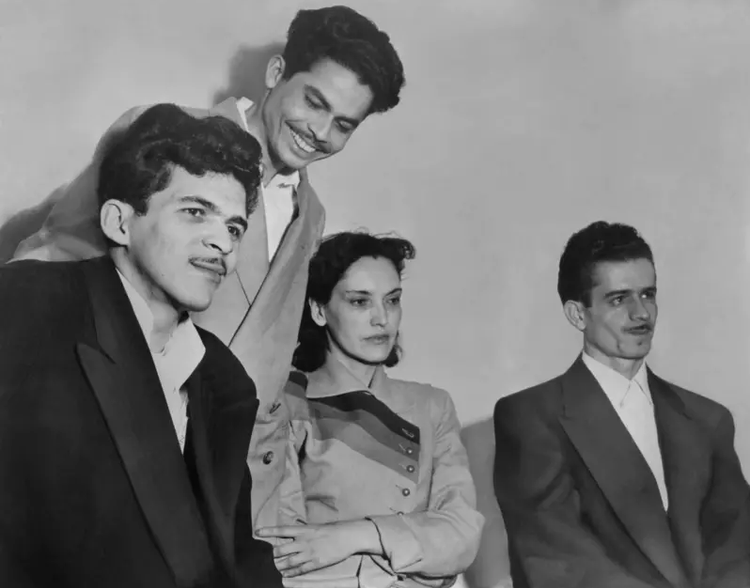
For those who do not yet know her, Lolita Lebrón was a Puerto Rican leader, activist, and revolutionary, a member of the Puerto Rican Nationalist Party who was imprisoned for 25 years. One of her most remembered quotes summarizes the strength of her conviction when she was arrested: "I did not come to kill anyone; I came to die for Puerto Rico." Lolita’s story is far too broad and deep to address in a monthly newsletter, so I will not attempt to do so. Rather, I prefer to speak from what I know, as I did in the previous newsletter with Bad Bunny and the Super Bowl: the clothing and what these fashion statements of March 8, 2026 represent.
|
|
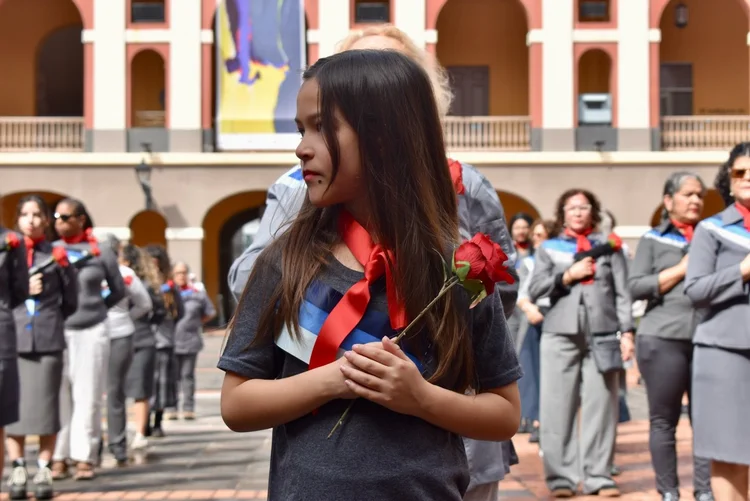
On the day of her arrest, March 1, 1954, Lolita Lebrón wore an outfit — jacket and skirt — very much in keeping with the era, elegant and modest. Over the years, that attire has transformed into a powerful symbol of dignity, struggle, and resistance for the women of Puerto Rico and the diaspora. The Army of Lolitas has made multiple appearances over the years, each March 8, both in Puerto Rico and in New York and other major centers of the Puerto Rican diaspora. However, this year the gathering on the island was especially significant: hundreds of women convened in Old San Juan to march on behalf of multiple urgent causes affecting the lives of women in Puerto Rico, many of them dressed as Lolita on the day of her arrest.
|
|
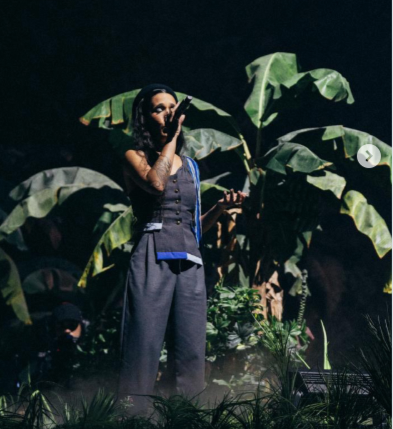
It was a deeply moving act: women, mothers and daughters marching to the sound of iLe’s voice, who also paid tribute to Lolita through her wardrobe during Bad Bunny’s residency, by performing “Lo que le pasó a Hawaii.” That wardrobe was conceived by another of my accomplices and friends, Daniela Fabrizi, of Le Chat Costumier. What was activated that day was not just a historical reference, but a shared language. The clothing ceased to be costume and became a stance: in memory, in protest, in affirmation. In that collective gesture, the body dressed as Lolita does not look at the past with nostalgia, but brings it into the present as a tool. It reminds us that what we wear also communicates, positions, and resists. Clothing is and has always been political. And there, for me, is the power of these fashion statements: not in aesthetics alone, but in their ability to hold history, spark conversation, and open possibilities for the future. And it also — inevitably — leads me to think of all the hands that made that collective gesture possible: the management, the sewing, and the coordination of hundreds of uniforms that aren’t found in any store. In sewing there is community; there is a network, care, and the labor that sustains us.
|
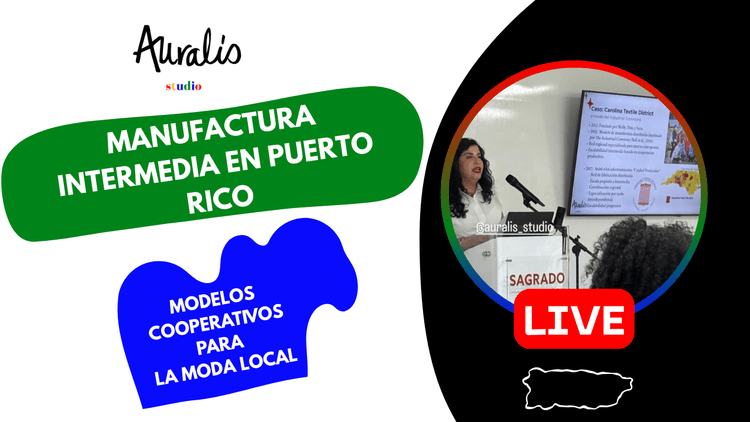
Ponencia: Simposio de Industrias Creativas
|
|
To see the full presentation, go to my channel at Youtube. |
|
|
|
My presentation on intermediate fabrication and scaled manufacturing is now available live. It was a very enriching and intimate conversation, where we were able to open a necessary dialogue about the real opportunities for local production.
|
|
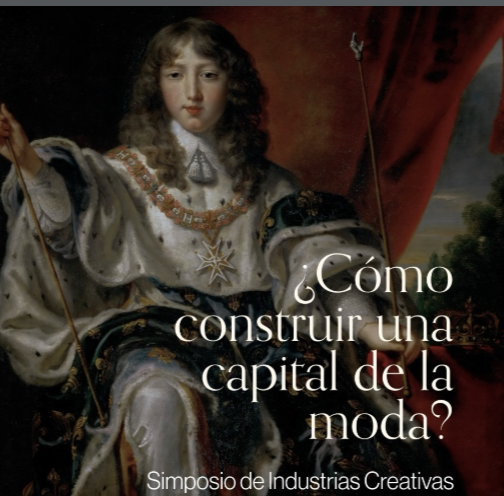
You can also watch the presentation by my dear colleague and collaborator, Mailye Matos of Se Habla Moda, available on Instagram (it’s in spanish). Her talk, titled “How to Build a Fashion Capital,” explores how Paris established itself over centuries as the global epicenter of fashion—a historical perspective well worth watching. If you want to dive deeper into this topic, I recommend the book Empresses of Seventh Avenue: World War II, New York City, and the Birth of American Fashion by Nancy MacDonell. The book examines how New York positioned itself as the industry capital after World War II, providing key context for understanding the fashion systems that operate today. I read (or rather, listened to) it on Mailye’s recommendation—she undoubtedly has some of the best fashion book suggestions. Through this book I discovered American designers I didn’t know, such as Claire McCardell, and Elizabeth Hawes, of whom I confess to being a superfan. It also prompted me to reflect on gaps in my own education: having studied fashion at a women’s art college in Philadelphia, it’s surprising and revealing that these influential figures in the development of American fashion were not part of the curriculum. Still, I’m deeply grateful to have encountered them now; understanding their legacy is also a way of revising and expanding our own education.
|
Do you have a project you want to develop sustainably? Let’s talk.
|
Our consulting services are designed to support individuals and businesses that need to strengthen their operations — from the products they create and sell to logistics, supply chain management, and infrastructure. We have more than 20 years of experience in the creative industries. In Auralís’s case, that includes 7 years working inside a factory learning manufacturing, from the most analog techniques to the most advanced technologies. In Ruby’s case, it is over 15 years of international support for creative industries at every stage. If you need guidance, schedule a call here. |
|

|
|
|
PS: All past newsletters are here.
|
|
See you in May (or April) 2026!
|
|
|
|